In our fast-paced world, the urgency to adopt sustainable practices has never been more apparent. As we navigate through environmental crises and the impact of climate change, many of us are asking: How can we make a difference in our everyday lives? The answer lies in the little habits we cultivate at home.
This article will explore how you can support sustainable practices right from your own backyard. From reducing waste to conserving energy, there’s a wealth of ways to contribute positively to our planet. So, let’s dive into the myriad ways you can go green!
Septic Tank Pumping: An Essential Practice for Sustainability
One often overlooked aspect of home maintenance is septic tank pumping. While it may not seem directly related to sustainability, regular maintenance of your septic system plays a crucial role in protecting local water sources and promoting environmental health.
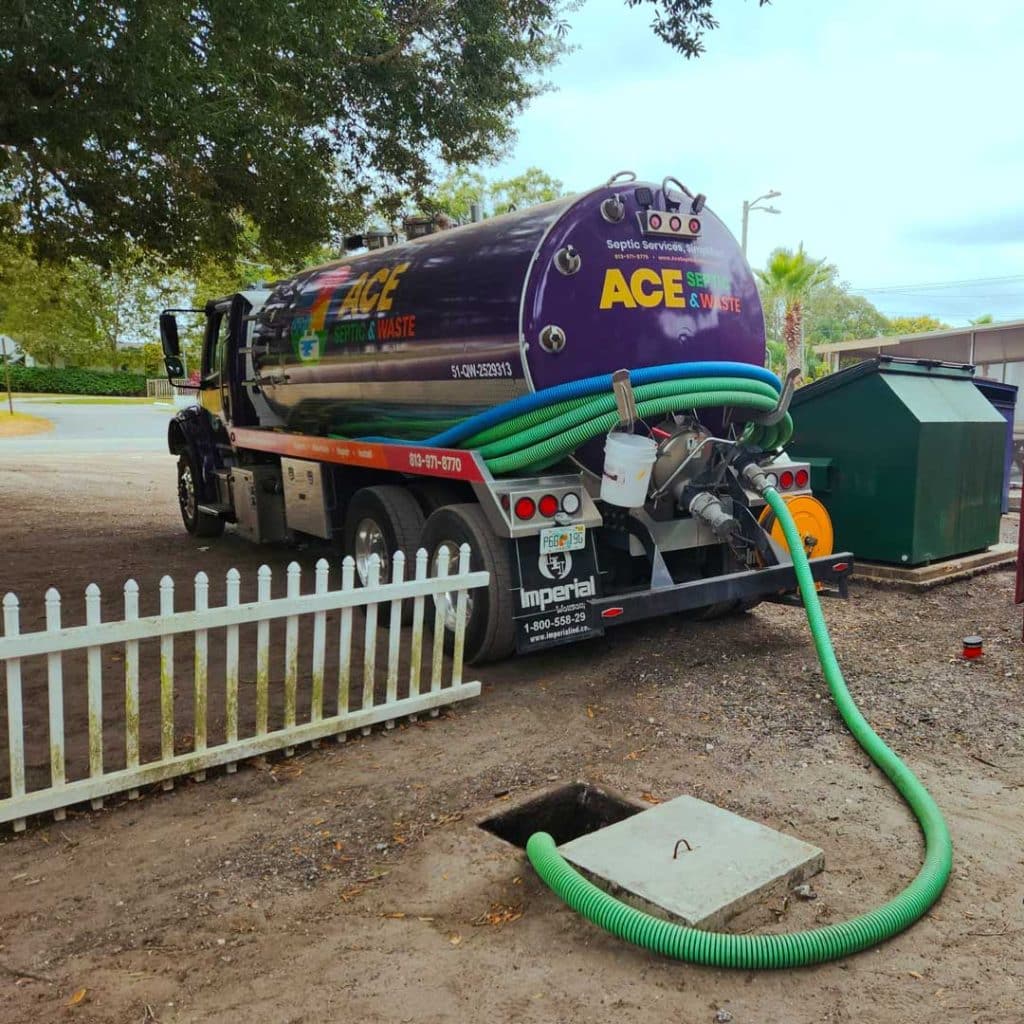
What is Septic Tank Pumping?
Septic tank pumping is a process where waste is removed from your septic tank to prevent overflow and ensure efficient operation. It generally involves the use of specialized equipment that extracts sludge and scum from the tank.
Why is Regular Pumping Important?
Failing to pump your septic tank regularly can lead to serious consequences including:
- Overflow Issues: A full septic tank can overflow, leading to sewage leaks that contaminate ground and surface water. System Failure: Neglecting maintenance can cause irreversible damage to your septic system, resulting in costly repairs or replacements. Environmental Impact: Contaminated water can negatively affect local ecosystems and harm wildlife.
How Often Should You Pump Your Septic Tank?
The frequency of septic tank pumping usually depends on several factors:
- Household Size: More people means more waste. Tank Size: Larger tanks require less frequent pumping. Wastewater Volume: High volumes increase the need for regular maintenance.
As a general rule, it's advisable to pump your septic tank every 3 to 5 years.
Choosing the Right Service Provider
When it comes to septic tank pumping, trustworthiness matters! Companies like ACE Septic & Waste have built their reputation on providing reliable services. They understand local regulations and use eco-friendly methods that align with sustainable practices.
Energy Efficiency at Home: Small Changes Make Big Impacts
Going green begins with energy conservation. By making simple adjustments at home, you can significantly reduce your carbon footprint.
1. Upgrade Your Appliances
Investing in Energy Star-rated appliances can save you money in utility bills while reducing energy consumption. Look for:
- Refrigerators Washing machines Dishwashers
These appliances consume less electricity than their conventional counterparts.
2. Switch to LED Lighting
LED bulbs use up to 80% less energy than traditional incandescent bulbs and last significantly longer. Plus, they come in various styles which means you don’t have to sacrifice aesthetics for efficiency!
3. Insulation Matters
Proper insulation keeps your home cool in summer and warm in winter while reducing reliance on heating and cooling systems. Consider investing in quality insulation materials or even solar panels for long-term savings.
Water Conservation: Save Water, Save Earth
Water is one of our most precious resources; thus, conserving it should be a priority for every household.
1. Fix Leaks Promptly
A dripping faucet may seem trivial but over time it wastes gallons of water! Regularly check faucets and pipes for leaks and repair them immediately.
2. Install Low-flow Fixtures
Low-flow showerheads and faucets reduce water usage without sacrificing comfort. These small upgrades can lead up to 50% less water consumption throughout your household!
3. Mindful Landscaping Practices
Consider xeriscaping or planting drought-resistant plants that require less irrigation while providing beauty to your garden space.
Waste Management: Reduce, Reuse, Recycle!
Managing waste effectively at home contributes significantly to sustainability efforts.
1. Composting Organic Waste
Start composting kitchen scraps like vegetable peels and coffee grounds instead of throwing them away! This reduces landfill contributions while creating nutrient-rich soil for gardening.
2. Recycling Programs
Participate actively in local recycling programs by separating recyclables from trash—think paper, plastics, metals! Always check what materials are recyclable in your area as guidelines differ widely.
3. Buy Bulk Items When Possible
Buying items in bulk reduces packaging waste significantly and often saves money too! Just bring along reusable containers when shopping.
Sustainable Transportation Choices
How we get around greatly influences our carbon footprint!
1. Carpool or Use Public Transportation
Sharing rides not only conserves fuel but also reduces traffic congestion—a win-win situation!
2. Consider Biking or Walking Short Distances
If feasible, biking or walking replaces fossil fuel-burning trips with physical activity—benefiting both you and Mother Nature!
Supporting Local Farmers & Sustainable Products
Choosing locally-sourced organic products supports community farmers while reducing transportation emissions associated with imported goods.
1. Shop at Farmers’ Markets
Local markets offer fresh produce without excessive packaging while supporting nearby agriculture!
2. Choose Eco-Friendly Brands
Look out for products that prioritize sustainability through responsible sourcing methods—this includes everything from food items to cleaning supplies!
FAQ Section
Q1: How does regular septic tank pumping contribute to sustainability?
A1: Regular pumping prevents overflow issues that lead to sewage leaks which could contaminate local waterways—thereby protecting environmental health!

Q2: What are some quick ways I can conserve energy at home?
A2: Upgrading appliances, switching light bulbs from incandescent ones to LEDs, and improving insulation are all effective methods for conserving energy efficiently!
Q3: Why should I compost organic waste?
A3: Composting diverts waste from landfills while producing rich soil amendments—creating better gardening conditions without synthetic fertilizers!
Q4: How often should I check my faucets for leaks?
A4: It’s wise practice to inspect faucets monthly; even minor leaks add up over time leading Ace Septic & Waste significant losses (upwards of gallons per year)!
Q5: What are some eco-friendly landscaping tips?
A5: Opt for native plants suited for your climate—they typically require less watering—and consider mulch layers that help retain moisture.
Q6: Is public transportation really better than driving alone?
A6: Absolutely! Public transport decreases emissions per passenger compared individual car travel—plus Septic tank Pumping it helps ease urban congestion too!
Conclusion
Adopting sustainable practices isn’t just about drastic lifestyle changes; it’s about making mindful decisions every day—from what we buy at the store down through how we maintain essential systems like our septic tanks (remember ACE Septic & Waste?). By incorporating these practices into daily life—whether through energy efficiency measures or proper waste management—you’re contributing positively towards combating climate change while ensuring future generations inherit a healthier planet!

So if you're wondering how best you might start going green? Embrace these ideas outlined above because every little bit counts! Let's work together towards fostering an environment where sustainability thrives—both today tomorrow—and beyond!